New Paramedic
I’m a new paramedic!
My sabbatical from tech employment has turned into a hiatus of unknown length. I’m still active in technology, but mostly in the form of research and hobby projects. I don’t know if I’ll go back to tech professionally, but it would require the right opportunity to present itself. I feel fortunate to have been able to leave voluntarily while zero-interest rate phenomena were still the norm and to have a wonderful spouse supporting my decision to do so.
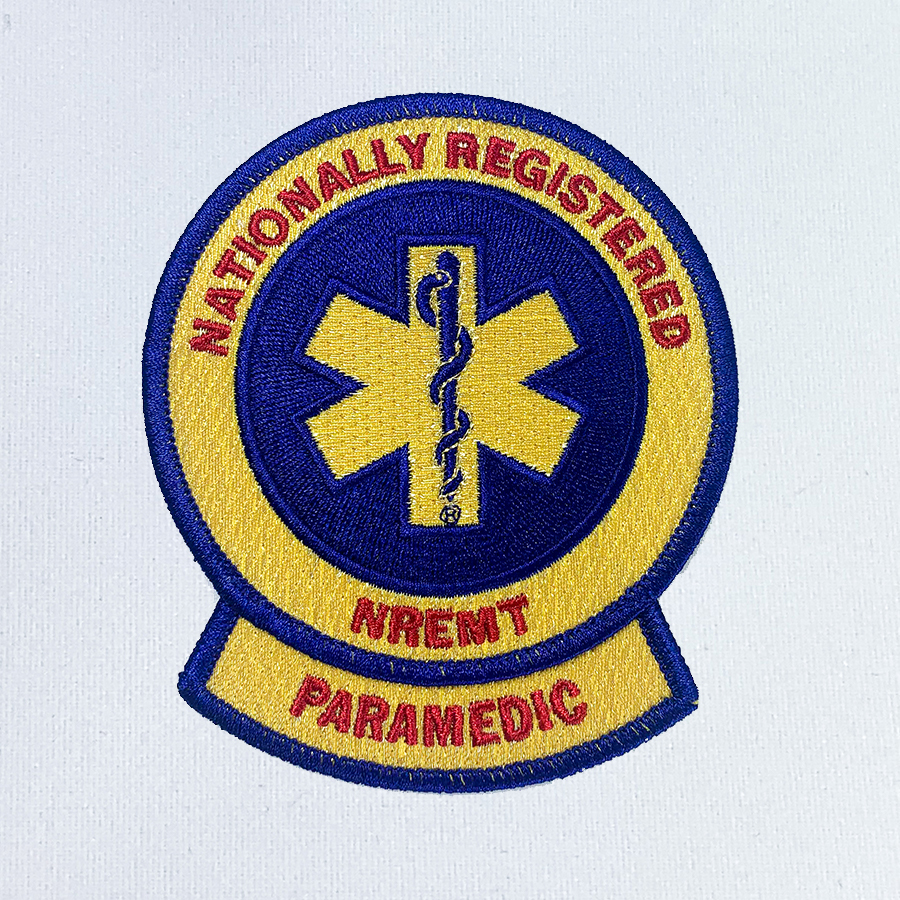
Over the last two years, I’ve focused my study and working time on emergency medical services, EMS, training first as an EMT and then, while working as an EMT, training as a paramedic. Last month I completed two years of coursework, hundreds of hours of clinical experiences, and an unpaid, full-time paramedic internship. Yesterday I passed the National Registry of Emergency Medical Technicians paramedic exam, and today I received my paramedic license from the State of Michigan.
Three years ago, I got interested in EMS through my work as an SRE, Site Reliability Engineer, which I’ve always described to non-tech-industry folks as “like a nerd emergency responder, carrying a pager, and running to fix computer emergencies”. When Netflix or Google Docs is broken, SREs are scrambling to fix it, and they’re using practices based on the national emergency Incident Command System, ICS, which grew out of organizational work by California fire departments in the 1970s. I wanted to try using ICS for its intended (human) emergency response purposes. The work really is quite similar. I can see why SRE has so many volunteer emergency responders – and also pilots –, all three involve precise training for low-likelihood, time-critical situations.
Like many friends outside of emergency services, three years ago I didn’t even know there is a difference between an EMT and a paramedic1, and I hadn’t taken a biology class in three decades. I had a lot to learn, and patient, skilled instructors to help get me there. I was 30 years older than the median student in my programs, and often had proctors and evaluators 25 years my junior. Everyone was very patient with the old man.
During my work as an EMT and my training as a paramedic, I’ve found some things to love about EMS. My peers are incredibly dedicated to good patient care and to improving their own skills – it’s abhorrent that societally we compensate my EMS peers 20x less than my (also excellent) software peers. It’s also been fun to have a job people are curious about. In all my time working as a software engineer no one ever asked me, “what’s the funniest thing you’ve seen building software?” Also, driving lights and sirens is as exhilarating as you imagine.
I have a few EMS versus software comparison posts I might write in the future, including:
- differences in education and training practices in tech and EMS
- how each field uniquely suits and supports the neuro-divergent
- maybe something where I pearl-clutch about off-color workplace humor outside of corporate life,
but it’s not yet clear to me how representative my single agency EMS experience is of EMS as a whole. I have a much more comprehensive view of the tech industry.
I now have enough training, EMS field experience, and general life experience, that I feel confident starting out as a rookie paramedic employed by our busy, local EMS non-profit. I’m humbled by the trust placed in me and my instructors by the state licensing process, national registry, and the community. See you on the road!
-
My favorite tongue-in-cheek, not-quite-accurate explanation of the difference between an EMT and a paramedic, is that an EMT slows down whatever is killing you until a paramedic can stop it. The paramedic then gets you to a doctor or a nurse who can figure out why it was trying to kill you and make sure it doesn’t happen again soon. EMTs are trained in only the most important skills (CPR, bleeding control, epinephrine injections for anaphylaxis, etc.) and they are incredibly important and effective. It’s stunning that they’re often 20 years old with four months of training! ↩︎